Buy contrast screens – high-contrast & daylight screens

Contrast Screen – Screen for active daylight light management

Under the term Contrast Screen, we summarize technologically advanced projection surfaces that actively improve light management in the room. In contrast to standard screens, these models specifically reflect the beamer's light towards the viewer, while absorbing or deflecting disturbing ambient light. This leads to a massive increase in image depth and ensures that your home cinema unfolds its full potential even in non-optimized rooms.

Features and advantages of a high-contrast screen

The high-contrast screen uses special ALR (Ambient Light Rejecting) coatings to drastically improve black levels and block out extraneous light. A significant advantage is the neutralization of stray light that is normally reflected back onto the screen from bright ceilings or walls. This keeps colors vibrant and image sharpness perfectly preserved even in high-contrast scenes.

Matching the topic of high-contrast screens:
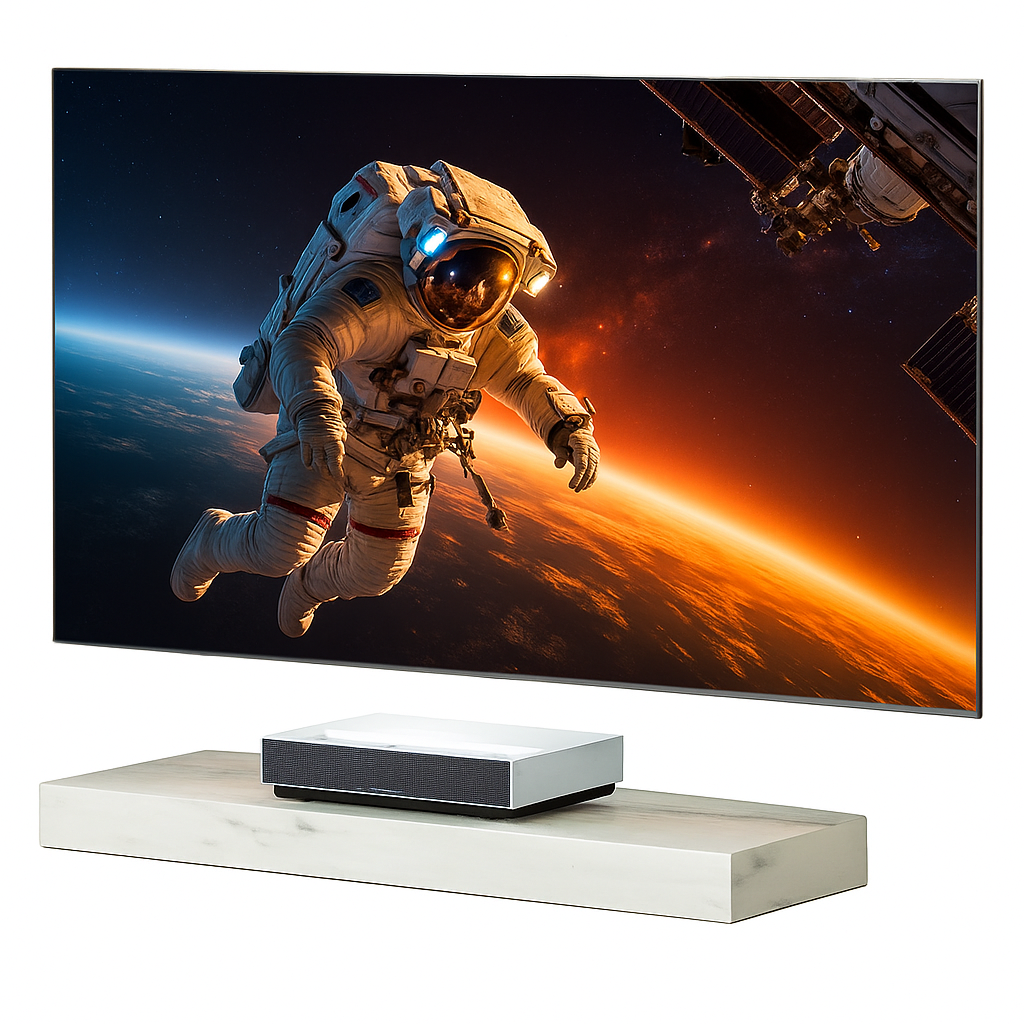
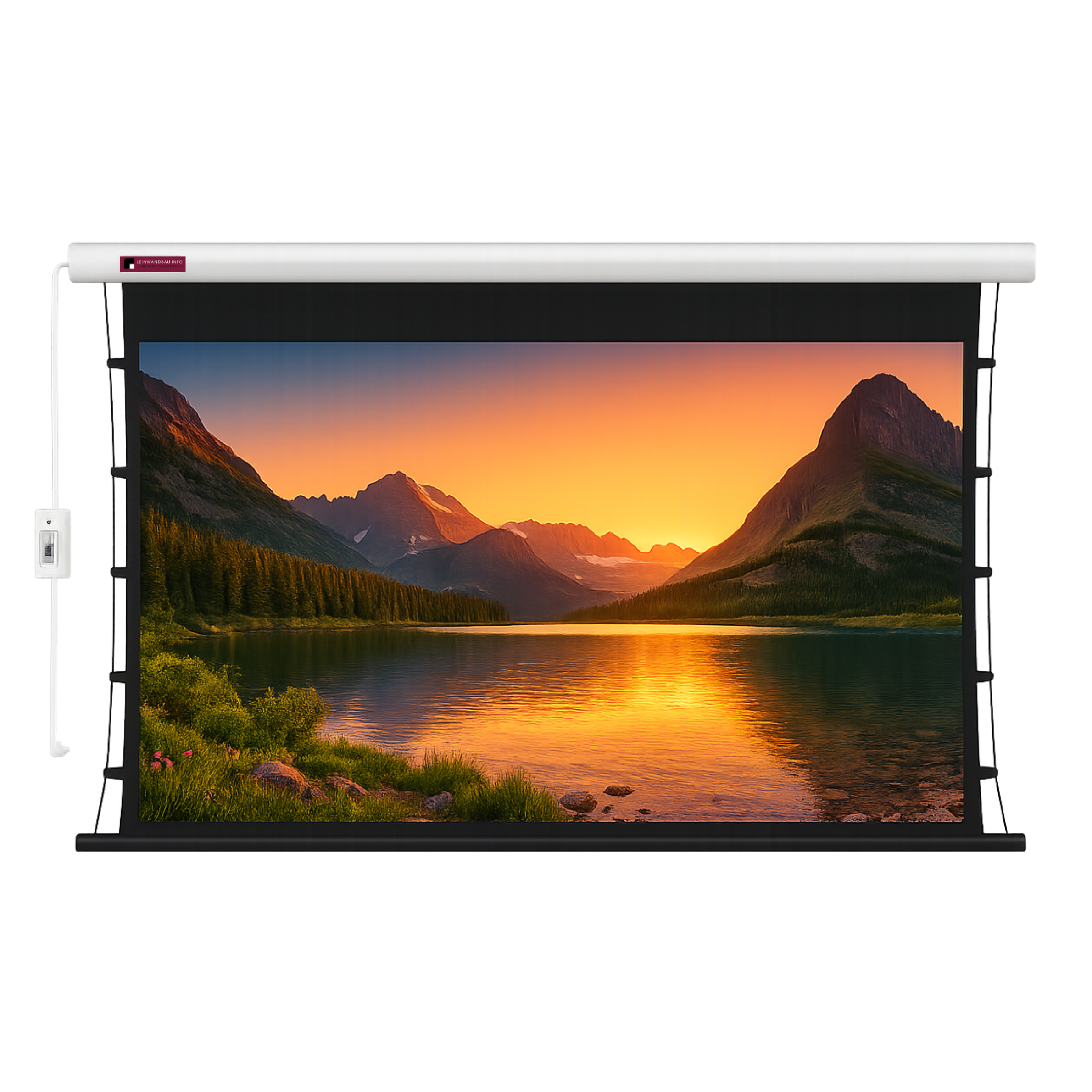
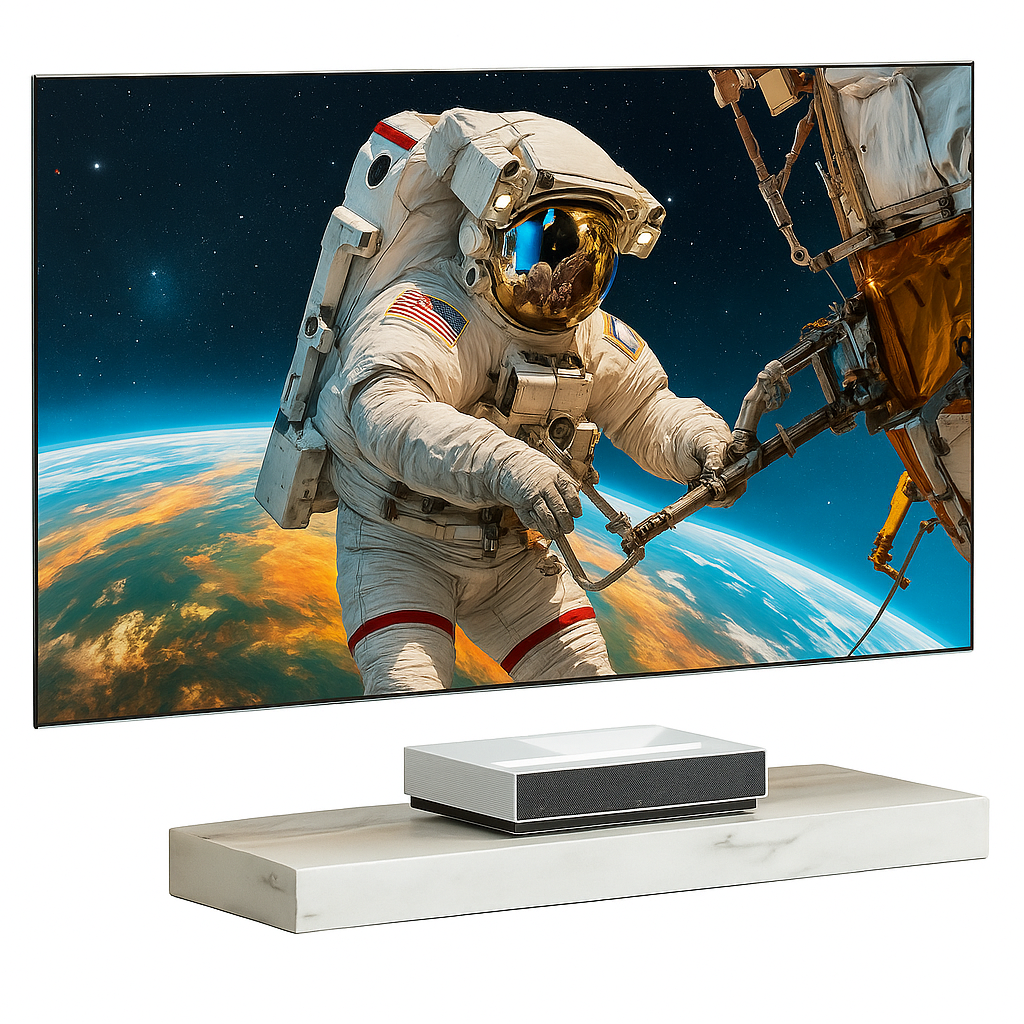
Fixed Frame Screen | UST Screen | Projector Screen | Laser TV Screen

How to properly use a daylight screen in the living room

A daylight screen allows you to enjoy sports broadcasts or series even in broad daylight without having to completely darken the room. This significantly increases the everyday utility of your projector. Through targeted light redirection, the image remains bright and high-contrast, making these screens the ideal choice for modern, light-filled living rooms.

What alternatives are there to a projector contrast screen?

When compared with other product groups such as classic motorized screens or white fixed frame screens, the specific application becomes clear. While white screens excel in an optimized, pitch-black home theater, the projector contrast screen is the technically superior choice for any conventional living room. For those seeking flexibility, our floor-standing models offer an excellent alternative to permanent installation, still providing all the benefits of contrast enhancement.

Questions about High-Contrast Screens

What are the benefits of a contrast screen?

A contrast screen (often also referred to as a high-contrast screen) massively improves the black level and color saturation of your image. Special ALR or CLR screen technologies absorb disturbing ambient light, while the projector light is specifically reflected to the viewer. The result is a vivid picture quality that achieves impressive depth even in bright rooms.

When is a high-contrast screen useful?

This product group is always the right choice if you want to enjoy your home cinema in the living room and the room cannot be completely darkened. As a daylight screen, it enables high-contrast image reproduction with residual light. Especially in combination with ultra-short-throw projectors, a projector contrast screen (such as the CLR frame, floor, or ceiling variant) is the only solution for a TV-like experience.

What are the disadvantages of a high-contrast screen?

Due to the specialized surface structure for light redirection, the optimal viewing angle may be slightly narrower compared to matte white screens. Additionally, high-quality screens like the high-contrast screen require precise projector alignment to avoid hot spots. The complex multi-layer coatings also mean a higher investment compared to standard models.

How many lumens does a high-contrast screen need?

As a high-contrast screen absorbs some of the scattered light, the system benefits from good light output from the projector. To fully exploit the advantages of a high-contrast screen in brighter environments, we recommend projectors with at least 2,000 to 3,000 ANSI lumens. This ensures that the image remains brilliant and vibrant despite the contrast-enhancing filtering.